Content Modeling in Strapi: Pages, Sections, and Reusable Blocks
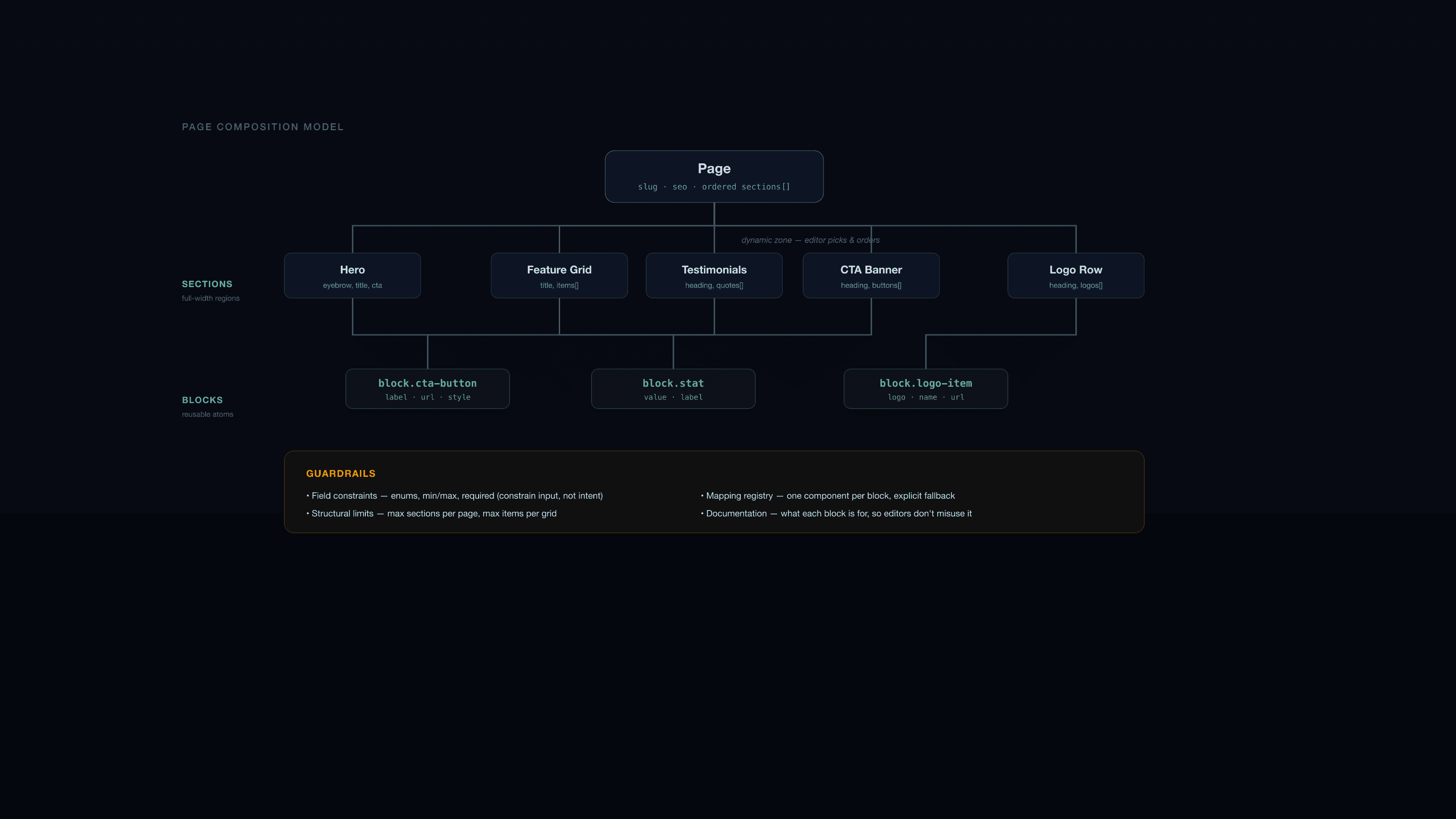
How to model flexible pages in Strapi with sections and blocks without ending up with an unmaintainable schema.
Insights
Practical implementation guides on architecture, CMS integrations, performance, and the stacks we ship in production.
How to model flexible pages in Strapi with sections and blocks without ending up with an unmaintainable schema.

A repeatable way to connect Next.js to Strapi via REST with shared types and minimal coupling.

How to implement and maintain JSON-LD for Article, Product, and local business without breaking or duplicating.

Concrete steps to improve each Core Web Vital so your site passes and stays in the green—from measurement to fix order.
Where WooCommerce slows down and what to do: cart, checkout, scripts, and database so the store stays fast.

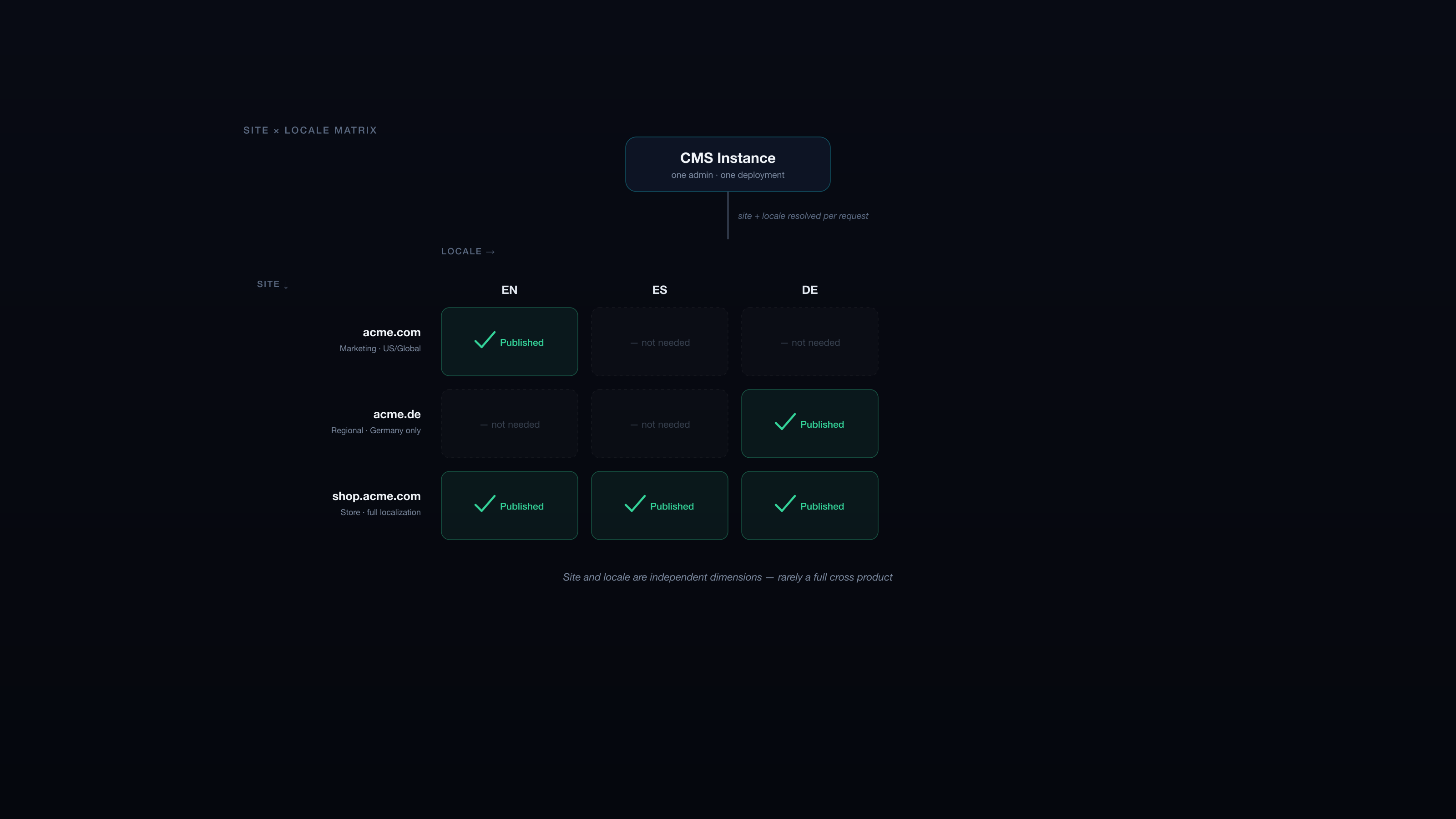
How to model and implement multi-site and multi-locale content in a CMS without over-engineering.

Concrete steps to improve WordPress speed through caching, image optimization, and reducing render-blocking work.
Fetch products and collections from Shopify Storefront API in Next.js with typed queries, cart handling, and performance patterns.
A focused checklist so your Next.js site hits good LCP, INP, and CLS without guesswork.

When to use Strapi’s REST API vs GraphQL so you get the right tradeoffs for your team and front end.

How to run consistent speed audits, interpret results, and prioritize fixes so improvements stick.

How to design a page builder content model (sections and blocks) with guardrails so editors stay productive and the front end stays sane.
How to set titles, descriptions, and canonicals in the App Router so search engines index the right thing—from setup to dynamic and multi-locale.

How to use error boundaries so one failing component doesn’t take down the whole app—and how to recover.

Sizing, placeholders, and responsive images with next/image so you get speed and quality without guesswork.
A repeatable pattern for fetching Contentful entries in Next.js with typed models, draft preview, and ISR-friendly caching.

How to choose, update, and trim plugins so WordPress stays secure and performant over time.
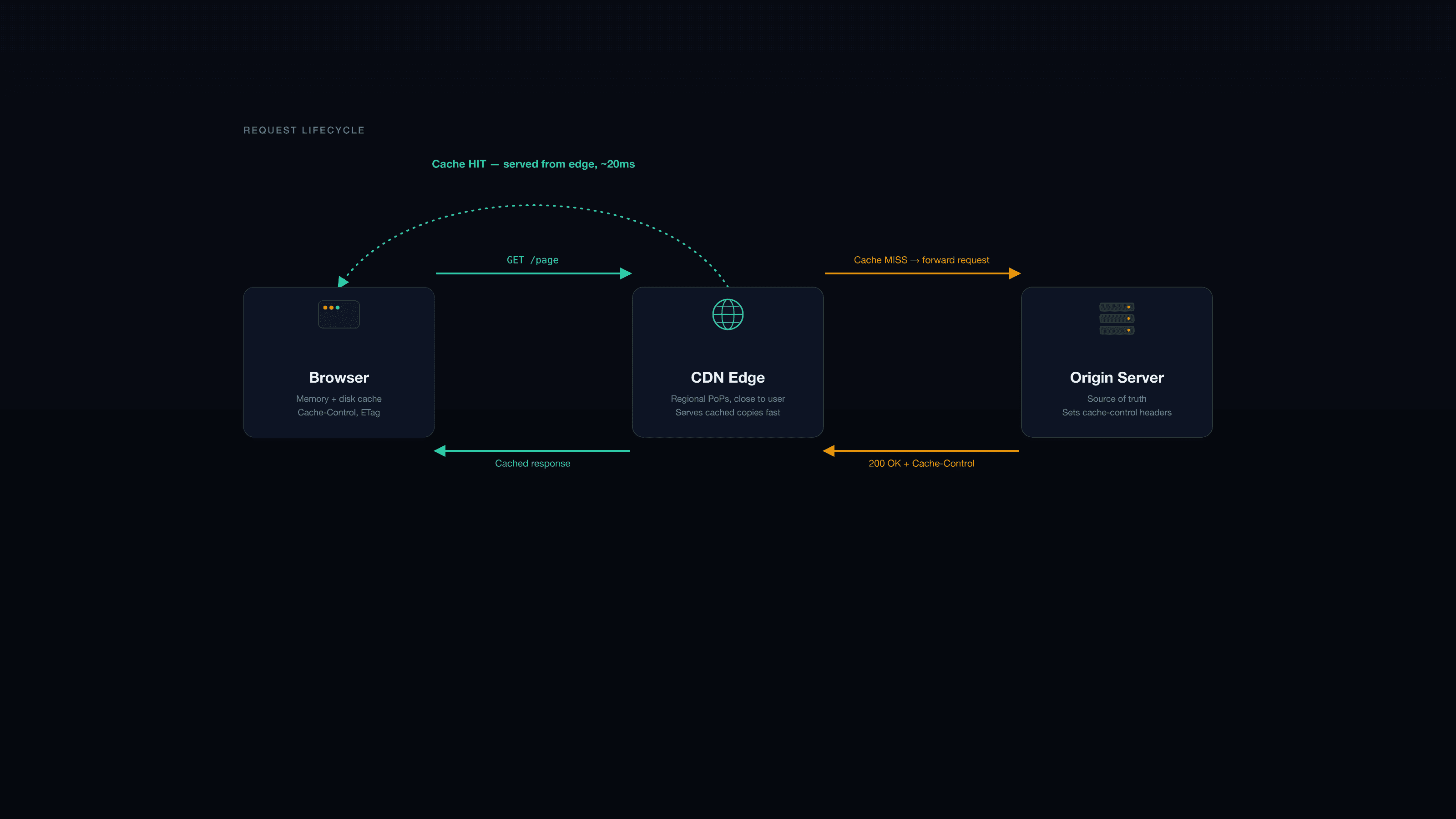
How browser, CDN, and server caches work together so you can reason about freshness and performance.

When to stay with traditional WordPress and when to go headless so the choice matches budget, performance, and SEO goals.

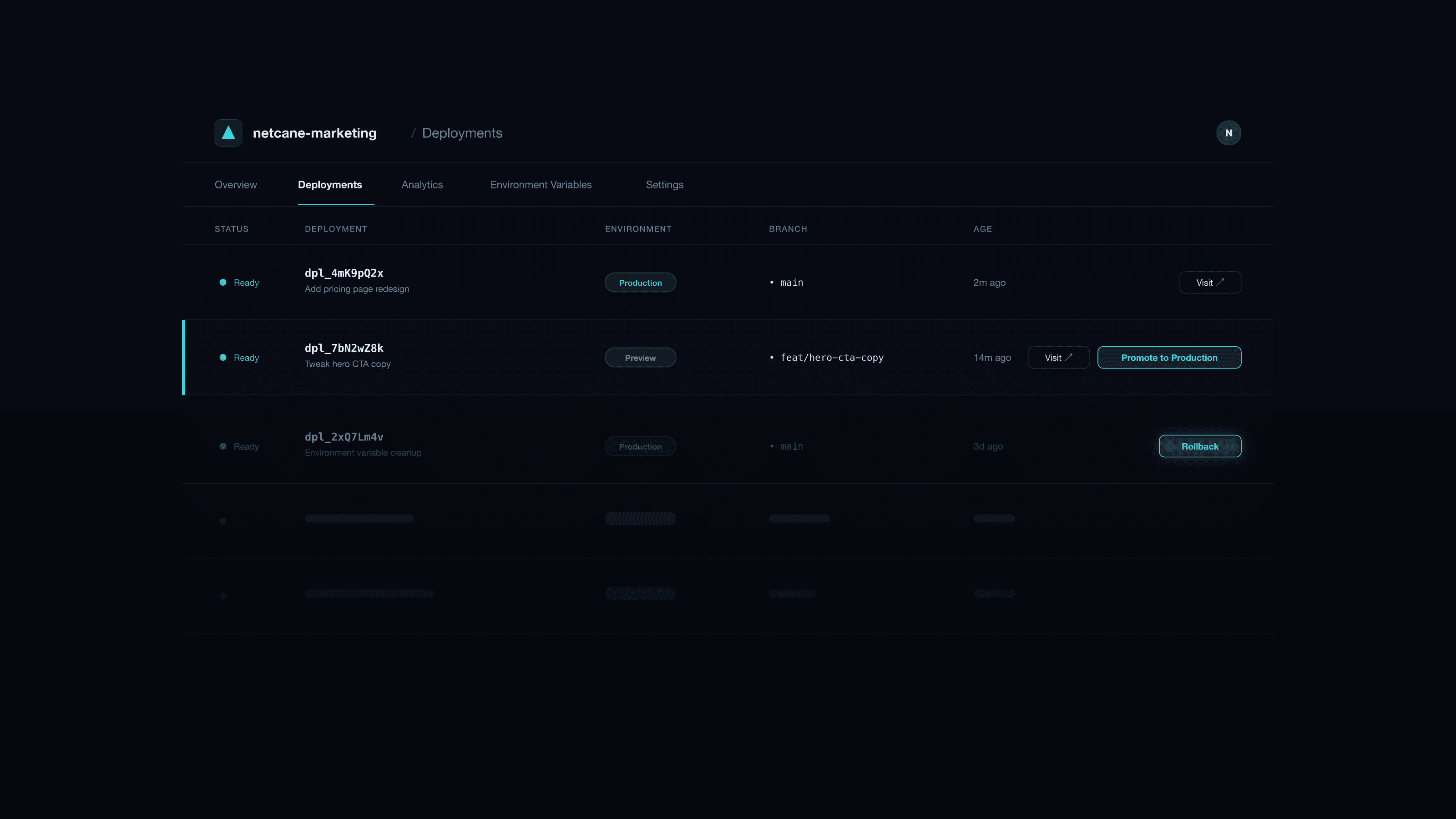
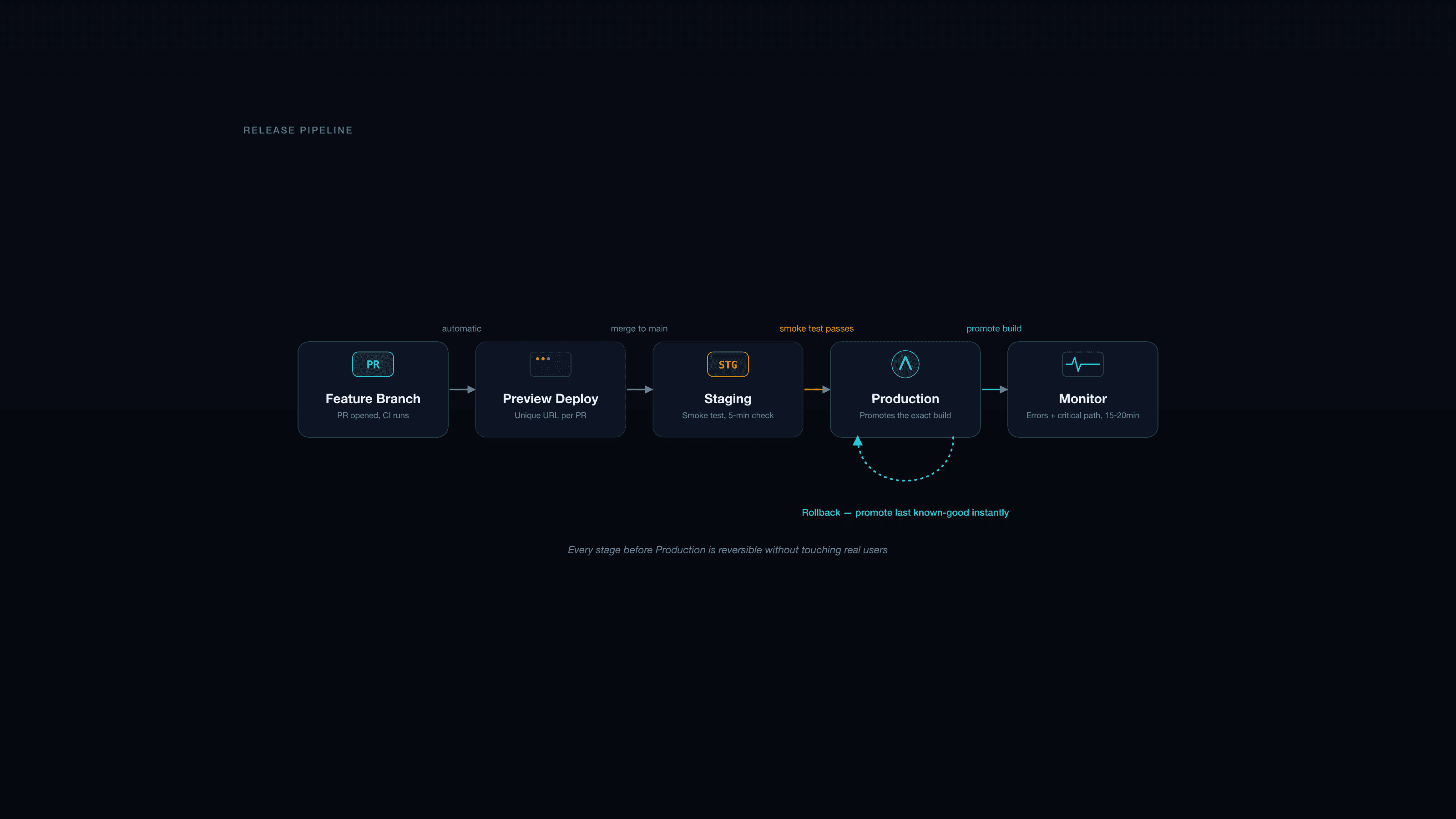
How to use Vercel’s preview deployments, manage env vars, and roll back when something goes wrong.

Redirects, rewrites, auth checks, and locale—when middleware is the right tool and when to use something else.

A technical SEO checklist for WordPress: metadata, indexing, structure, and tools that actually move the needle.

The technical levers developers control that affect indexing and rankings—without the fluff. From crawlability to Core Web Vitals.
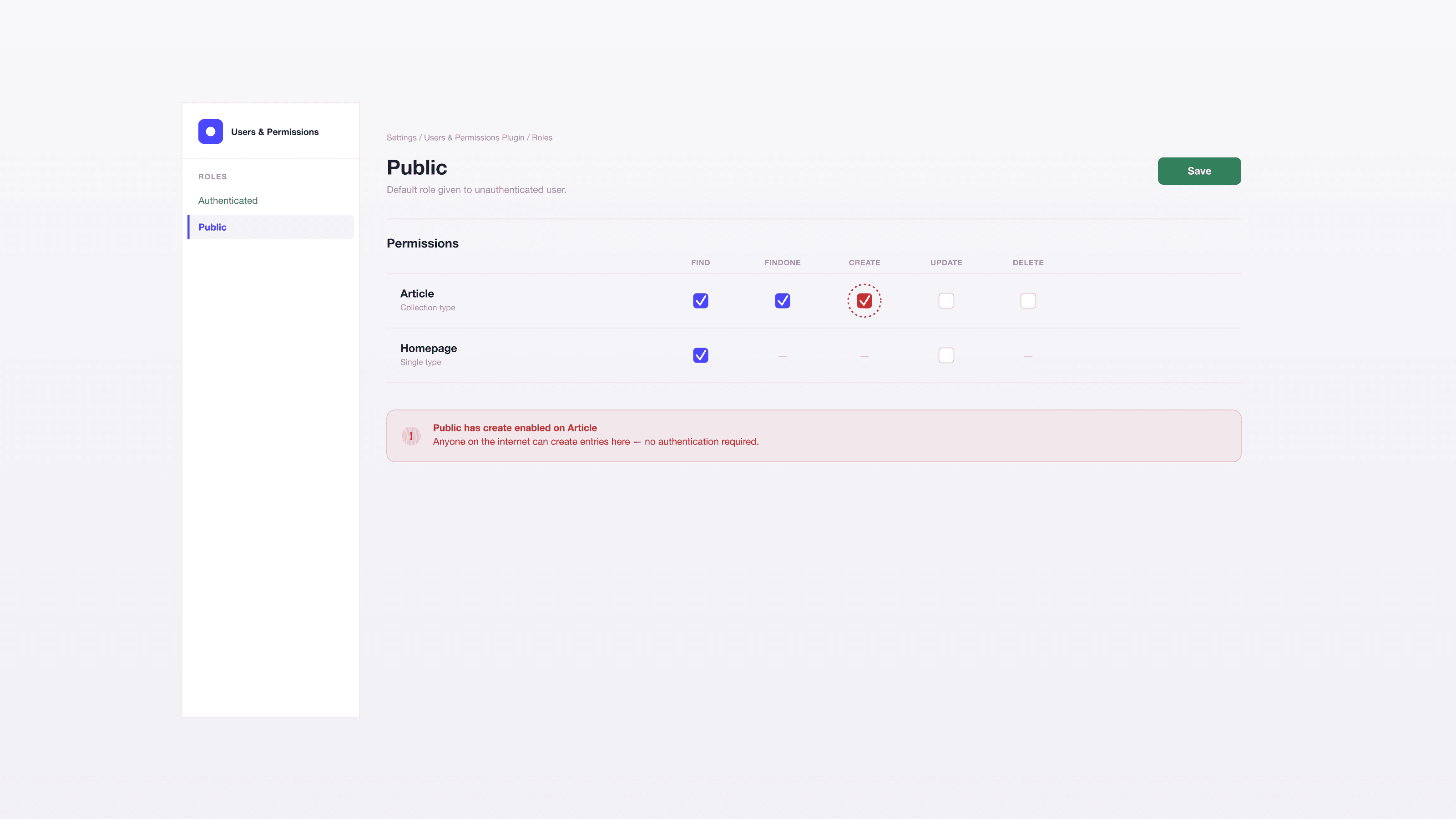
How to set Strapi permissions and expose public APIs without leaking drafts or private data.

How to load GTM, analytics, and tracking pixels in Next.js without hurting performance or blocking the main thread.
How to implement login, sessions or JWT, and protect routes in the App Router without overcomplicating it.
How to query Sanity with GROQ, render Portable Text in React, and set up preview without leaking tokens.

Stable patterns for validation, error display, and controlled vs uncontrolled fields with React Hook Form.

How to structure React components so they stay maintainable as your app grows—without over-engineering. From first components to large codebases.

A practical comparison of three ways to build flexible, reusable UI in React—and when to pick each.

How to store, serve, and optimize images from Strapi and keep alt text and SEO in sync.

How to structure a headless WordPress front end in Next.js and avoid common pitfalls around data, preview, and deployment.

How to show Strapi draft content in Next.js using preview mode and a secure token so editors can preview before publish.

How to structure headings, links, and content for both search engines and users so SEO and UX align.
Practical patterns for keyboard support, focus management, and ARIA in React—without over-engineering.

How route cache, fetch cache, and revalidate work so you can tune freshness and performance.
How to think about the App Router so layouts, pages, and server vs client rendering click into place—from first concepts to production patterns.

End-to-end setup for MDX content in the App Router: reading files, frontmatter, and components in content.

Most slow sites suffer from the same three culprits; here’s how to tackle them in order.
How to set canonicals and handle pagination so search engines index the right URLs and you don’t dilute rankings.

A clear guide to choosing the right state layer for React apps—from theme to global server state.

A minimal but effective flow for staging, production, and releases that doesn’t require a large DevOps team.

Concrete steps to reduce unnecessary renders and keep React UIs fast as data and components grow.

How to build and maintain custom WordPress themes with modern tooling and without fighting the platform.
How to use notFound(), error boundaries, and loading UI so users get clear feedback instead of blank or broken pages.

When to use 'use client' and when to stay on the server—without the guesswork.

A practical pre-launch SEO checklist so new client sites go live without missing basics or creating technical debt.

Steps to move an existing MDX-based blog into Strapi without breaking URLs or losing content.

How to set and enforce size and timing budgets so new features don’t silently make the site slow.

Locale-based routing, translated metadata, and hreflang so internationalized Next.js sites are built and indexed correctly.
Folder layout, colocation, and conventions so your Next.js App Router project stays navigable as it grows.

How to structure tokens, variant props, and component APIs so your design system stays consistent and scalable.

How to structure dynamic segments, handle slugs and params, and keep URLs clean and predictable in the App Router.